Skip to content
TabipitaJAPAN TRAVEL NOTEBOOK日本語

YOUR JAPAN TRAVEL NOTEBOOK

Kyoto to Nara by Train: JR or Kintetsu for a Day Trip?

Choose JR or Kintetsu from Kyoto to Nara, understand reservations and the two stations, and plan the final walk, luggage and return with linked Nara day routes.

Tabipita editorial team

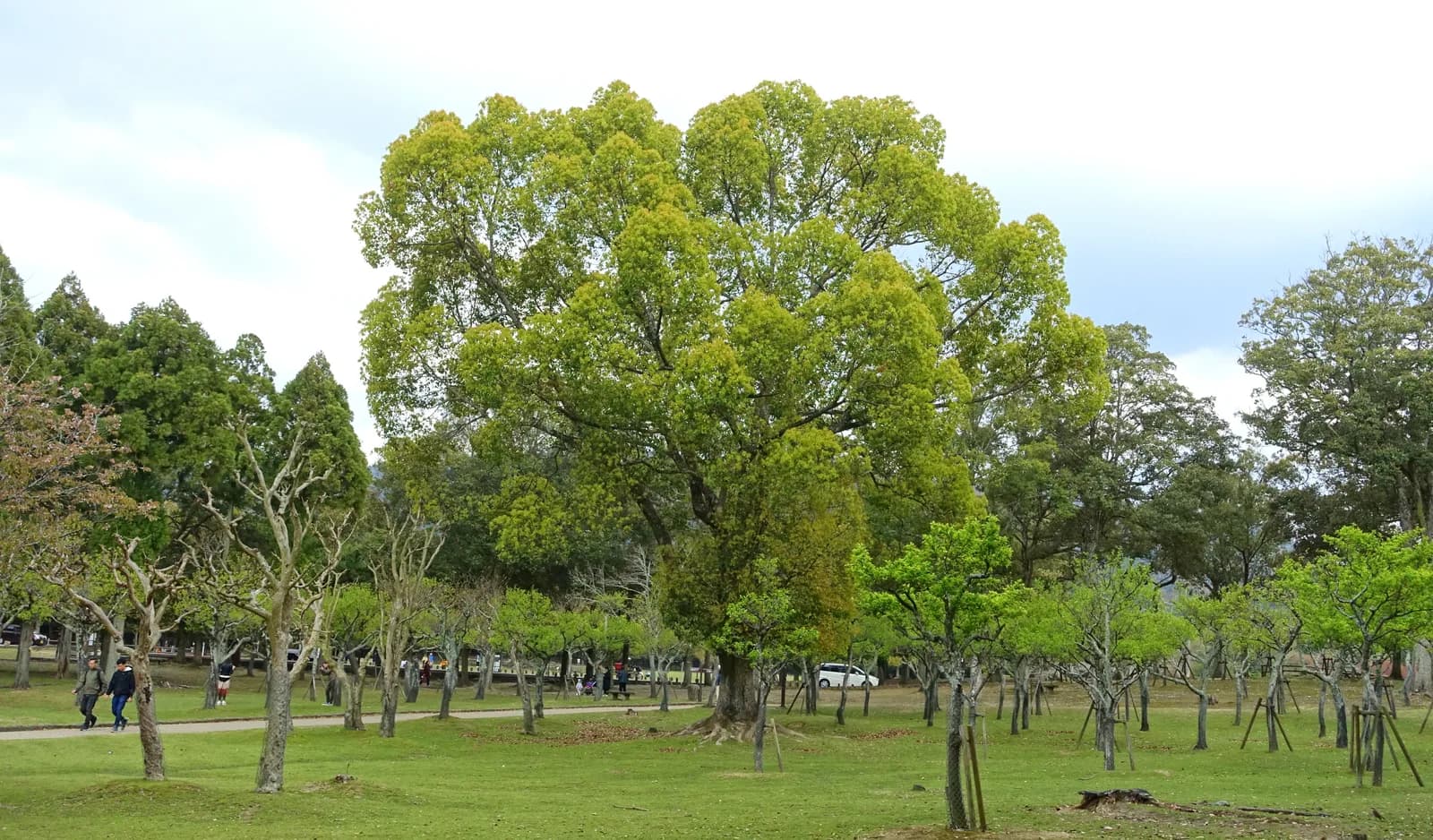
Deer among trees on the lawns of Nara Park
Trees and lawns beside walking paths in Nara Park
Photo: Daderot· 2018 · CC0Credits & license

Photographed 2018-04-09 01:37:41 · Checked 2026-10-22

Resized and converted to WebP; displayed with a card crop.

For a first Nara day trip from Kyoto, compare Kintetsu to Kintetsu-Nara with JR's Miyakoji Rapid to JR Nara. Kintetsu suits a walk beginning near the park; JR can suit an existing JR pass or accommodation near JR Nara. The two arrival stations are different, so choose your sightseeing starting point before buying a ticket.

Official information checked November 12, 2026. This guide covers the train journey and arrival decisions. Continue with our Naramachi and Nara Park day trip for the local sightseeing sequence and place photographs.

JR or Kintetsu: choose the arrival station first

  • Kintetsu Limited Express → Kintetsu-Nara: approximately 35 minutes on the train, according to Nara City Tourism. All seats are reserved; a Limited Express ticket is required in addition to the basic fare. A shorter train journey is useful when its departure fits your day, but waiting for it can erase that advantage.
  • Kintetsu Express → Kintetsu-Nara: a useful ordinary-train alternative. Todaiji's access guidance allows approximately 50 minutes from Kyoto on Kintetsu. Check your chosen service: do not assume every departure goes directly to Kintetsu-Nara.
  • JR Miyakoji Rapid → JR Nara: approximately 45 minutes, according to Nara City Tourism. Search for Nara on JR, not Kintetsu-Nara. Include the onward walk or local bus when comparing your door-to-door journey.

The quoted times are approximate official journey examples, not today's departure predictions. Nara City: access and Todaiji: access provide the underlying guidance. Compare the actual train departure, final walk, ticket type and any pass you already hold rather than choosing by the smallest advertised number.

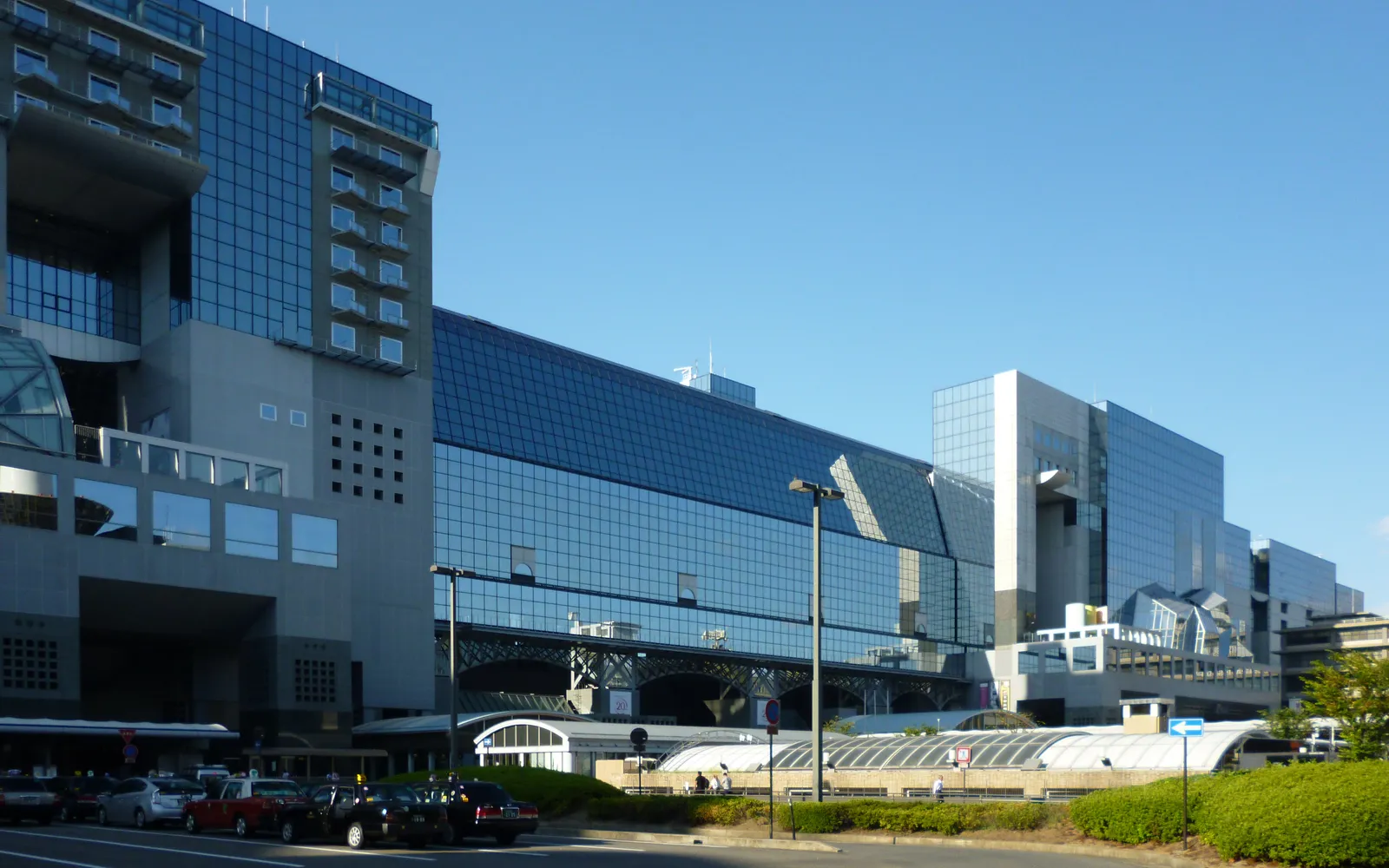
Finding the right railway at Kyoto Station

For Kintetsu, follow Kintetsu Railway signs to its own gates. For JR, follow the JR Nara Line signs and confirm the service and destination on the departure board. A Shinkansen arrival, subway arrival and hotel arrival do not all bring you to the same gate.

Kintetsu's Kyoto Station map distinguishes its gates from the JR Shinkansen Central Gates, JR conventional-line West Gates and the Karasuma subway. Its quoted transfer times run from a platform's centre to another operator's nearest gate; they are not promises that you can reach a train with a suitcase in that time. Our editorial allowance is 15–25 minutes to find the correct railway, arrange tickets and orient yourself on a first visit, before waiting for departure. Allow more if you need assistance.

For a Kintetsu journey involving Yamato-Saidaiji, check whether the route search actually requires a change. Seeing the station listed does not necessarily mean you must leave the train. Use the official route search, select Kyoto and Kintetsu-Nara, and read both the train destination and transfer count. The station departure board is the final check.

Tickets, Suica and the Limited Express distinction

Express and Limited Express are different products. Kintetsu's Limited Express rules require a reserved-seat supplement as well as the basic fare. Tapping an IC card at the gate alone does not reserve that seat. Buy the appropriate Limited Express ticket before boarding; if you prefer an ordinary Express, select a journey that does not use Limited Express trains.

Nara Prefecture's rail overview confirms that Suica and ICOCA can be used on both JR and Kintetsu, while rail-pass coverage differs. Check your exact pass and travel date before treating a journey as included. A JR product and a Kintetsu product are not interchangeable simply because both reach Nara.

Use the operator's live fare search or station machine for your departure. Compare basic fare plus any supplement, in both directions, with the pass price and the local bus rides you actually expect to take. We do not quote an exact current rail fare here: the dated fare-search result could not be reliably refreshed during this check. A stale price would be less useful than the correct ticket distinction.

From the station to your first sight

Kintetsu-Nara is not JR Nara. Save the full station name for your return. The official tourism guide identifies Nara Park, Naramachi and Nishinokyo as separate sightseeing areas; they should not be treated as one compact station forecourt. Nara Prefecture: getting around.

For Todaiji first, the temple gives an approximately 20-minute walk east from Kintetsu-Nara along Noborioji. Its bus alternative from either station is to alight at Todaiji Daibutsuden / Kasuga Taisha-mae, followed by approximately five minutes on foot. Include waiting and boarding time; neither option is a station-to-ticket-desk guarantee. Our Naramachi course instead begins with the old-town section, so follow that order rather than inserting a temple-first detour.

The shrines and forest walk begins at Himuro Shrine after the station approach. Pick one local course. Combining both complete routes would repeat sights and make the day unnecessarily long.

Keep the train journey outside the sightseeing timetable

Allow roughly 75–100 minutes from reaching Kyoto Station to beginning your first Nara visit as an editorial planning budget, depending on railway, departure wait and final approach. It is not a measured journey time. Add the journey from your hotel to Kyoto Station separately. If a local course starts at 09:30, arrive at its stated starting point by then; boarding a Kyoto train at 09:30 is a different plan.

Put indoor admissions before their closing time. Todaiji's official hours list the Great Buddha Hall at 08:00–17:00 from November to March, and 07:30–17:30 from April to October. The museum has its own last-entry time. A late arrival does not justify moving the main paid visit after dinner. Shorten the optional walking instead.

Bags, rain and getting back to your hotel

If you return to the same Kyoto hotel, ask about leaving large bags there and travel with a day bag. Our Kyoto Station luggage guide compares station storage and delivery alternatives. For station lockers, Kintetsu directs travellers to its station facilities information; availability is not guaranteed. When travelling onward to Osaka, decide the storage location and collection deadline before leaving bags in Kyoto.

In rain, reduce the park or forest walking and use the local bus where appropriate. Todaiji Museum can provide an indoor component, but its approach still involves outdoor travel and its admission is separate unless you buy a qualifying combined ticket. Check the temple's hours page before substituting it for another stop.

After sightseeing, choose a meal near your planned departure station or return to Kyoto for dinner. Leave space for the walk back, bag collection and the hotel connection. Search the return journey on the actual date rather than assuming the outward train runs in reverse at the same frequency. A late dinner should not depend on an unverified last train.

Place this day between your Kyoto hotel nights using the 14-day Japan itinerary. For journeys inside Kyoto before and after Nara, use the Kyoto transport guide. Those links handle the surrounding trip; the Nara courses handle the day on the ground.

Sources & further reading

Where to next?