Skip to content
TabipitaJAPAN TRAVEL NOTEBOOK日本語

YOUR JAPAN TRAVEL NOTEBOOK

Tokyo Subway Pass vs Suica: Costs for a 3-Day Trip

Compare Tokyo Subway Ticket with Suica for your first 3 days: current prices, JR and airport exclusions, hotel journeys and our neighbourhood-based itinerary.

Tabipita editorial team

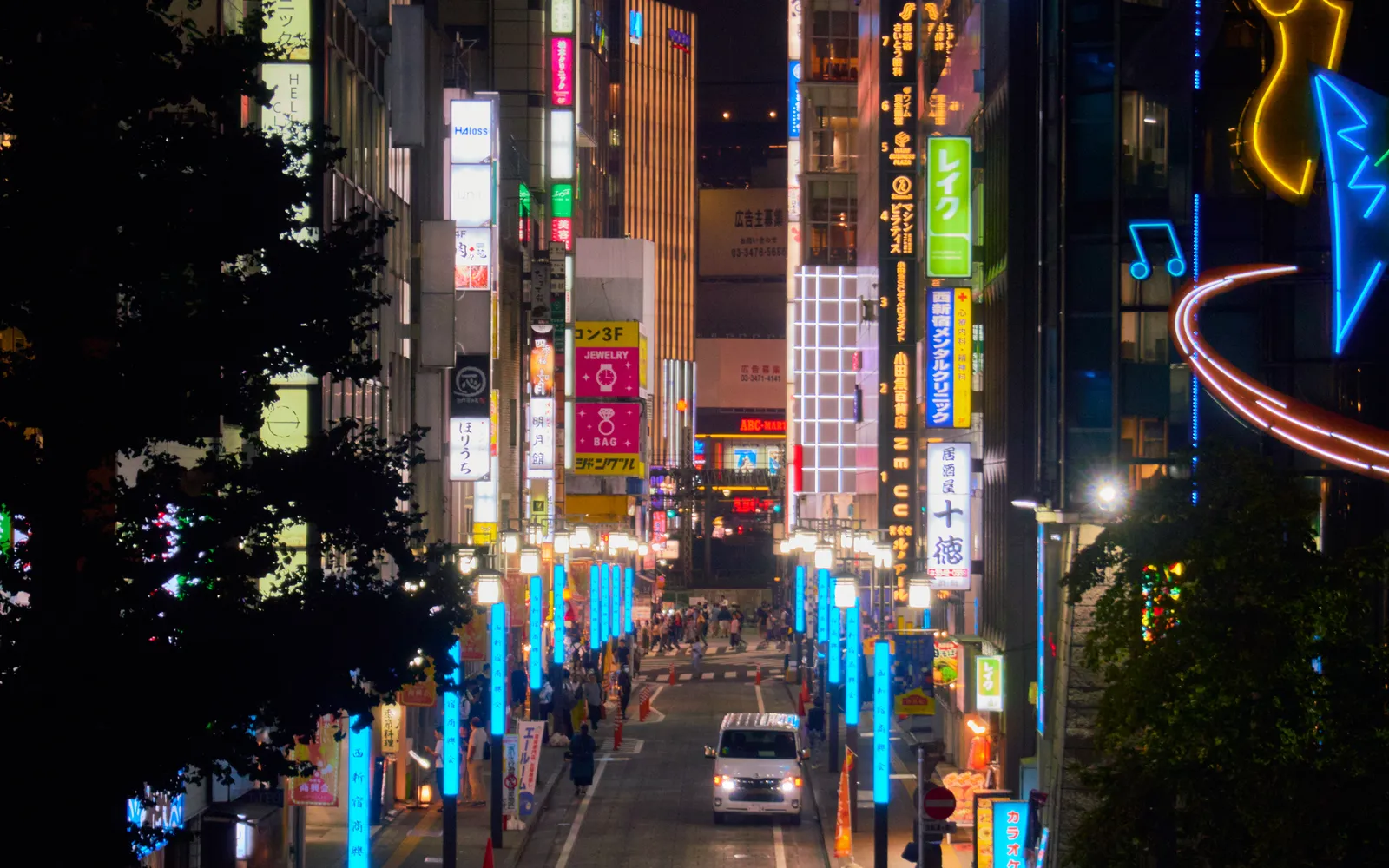
Neon signs along a commercial street in Shinjuku at night
Photo: lumoplank· Before 2023-10-30 · CC0 1.0Credits & license

Photographed Before 2023-10-30 · Checked 2026-10-20

Cropped and resized for this page. Historical photograph; appearance may have changed.

For our Tokyo 3-day itinerary, start with pay-as-you-go fares and compare the subway pass only after adding your hotel journeys. The sightseeing days stay within a few neighbourhoods; three days in Tokyo do not automatically mean enough paid subway trips to justify a 72-hour ticket.

Official information checked November 6, 2026. Current Tokyo Subway Ticket prices are ¥1,000 / ¥1,500 / ¥2,000 for 24 / 48 / 72 hours for adults, with child prices of ¥500 / ¥750 / ¥1,000. Older ¥800 / ¥1,200 / ¥1,500 comparisons are not a reliable budget for a new purchase. Check the operator's current ticket page before paying.

Tokyo Subway Ticket or Suica: the practical difference

The visitor ticket covers Tokyo Metro and Toei Subway. It does not turn every railway shown on a Tokyo map into an included ride. JR trains, including the Yamanote Line, are outside this product, as are buses and other railway operators' sections. A train continuing beyond a subway boundary can need an extra fare even when you remain in the same carriage.

An IC card such as Suica or PASMO pays individual fares on compatible transport. Loading money is not buying unlimited travel. Tokyo Metro's PASMO guide explains the rechargeable balance and use across participating operators. You can keep an IC card for journeys outside your pass instead of choosing one product for the entire holiday.

Prefer individual fares when you will walk between nearby sights, use JR for the simplest hotel connection, or spend most of a day in one museum or district. Consider a pass when the journeys you would make anyway are mostly on the covered subway networks and their total fares exceed its price. Do not add detours simply to make the pass appear worthwhile.

Compare costs without counting every train change as a new trip

Tokyo Metro's fare table lists a short adult IC journey at ¥178, compared with ¥180 for a regular paper ticket. Longer journeys and mixed-operator journeys cost differently. Use the actual itinerary fare, not a count of train carriages or line changes.

For illustration only, if every separate paid journey cost ¥178:

  • A ¥1,000 pass first becomes cheaper at 6 journeys: ¥1,068.
  • A ¥1,500 pass first becomes cheaper at 9 journeys: ¥1,602.
  • A ¥2,000 pass first becomes cheaper at 12 journeys: ¥2,136.

These are arithmetic examples, not claims that every visitor needs six rides each day. At an assumed average of ¥209, nine journeys total ¥1,881, below the 72-hour price; ten total ¥2,090, only ¥90 above it. Walking farther to a covered station can erase that small practical benefit. Transfers can form one charged journey, so calculate whole station-to-station trips using the operator's fare search.

Apply it to our three sightseeing days

Open the Tokyo 3-day itinerary for its daily place map, visits, food breaks and station approaches. This comparison keeps that programme intact; hotel-to-start and finish-to-hotel journeys depend on your address.

Day 1 — Asakusa and Ueno: the core inter-district journey is the Ginza Line from Asakusa to Ueno. The temple lanes, park and museum approaches are on foot. Count your two hotel journeys separately, and do not count walking from Ueno Station to the museum as another subway ride. An optional reserved meal from our Asakusa food guide may add a return trip, but only if you actually choose it.

Day 2 — Meiji Jingu, Harajuku and Shibuya: the shrine approach and shopping streets account for much of the day. Our baseline includes a walk toward Shibuya; taking a train because of rain or fatigue is an alternative, not an extra sightseeing requirement. JR Harajuku is not included. Meiji-jingumae is a subway station in the same district, but compare the exit and walking approach before changing your hotel route. Use the official subway map to distinguish operators.

Day 3 — Tsukiji, Ginza, East Gardens and Tokyo Station: this is a compact central-city programme with substantial walking. A shrine, market, garden and station facade do not each require a separate train trip. Price any chosen subway shortcut, plus the journeys to and from your hotel. Tokyo Station's JR platforms and its Metro station are different parts of a large complex.

The deciding variable is often the hotel. Our Tokyo neighbourhood comparison helps you compare the base before buying tickets. A hotel whose convenient journey uses JR should not become a longer subway transfer solely to recover a small saving.

A cheaper Metro-only alternative

The Tokyo Metro 24-hour Ticket costs ¥700 for an adult, covering Metro lines only. It excludes Toei. Four separate ¥178 Metro journeys total ¥712, just ¥12 more than this ticket. Check whether all your chosen journeys really stay on Metro before selecting it.

Do not confuse that product with the Common One-day Ticket for Tokyo Metro & Toei Subway, currently ¥1,100 for adults and valid for one day, rather than a rolling 24-hour window. The operator lists both products and their formats. Start rules also differ by format: the Metro-only IC version starts at purchase, while the paper ticket's validity runs from first use under its purchase conditions. Read the exact product rather than relying on the word “day”.

Where to buy and when to start

Tokyo Subway Ticket is a visitor product with eligibility conditions. Tokyo Metro identifies overseas visitors and eligible domestic visitors; carry the identification required by the seller. Online exchange tickets and direct QR tickets are different formats. Follow the selected product's collection and gate instructions; an order confirmation is not automatically a gate-ready ticket.

Toei's sales information lists airport and tourist-information sales locations, with availability varying by outlet. It also says the PASMO-loaded option is available only at its tourist information centres and does not support Mobile PASMO. Do not expect to add a visitor pass to any phone or IC card at every machine.

The 24/48/72-hour visitor ticket runs from the start of use, not as three interchangeable calendar days. Start it when the covered journeys begin. On a late flight arrival, our Tokyo arrival-day plan deliberately leaves room for immigration, luggage, the hotel and rest; it may not be a useful pass day.

Airports, Kyoto and the rest of Japan

The ordinary subway ticket does not include the airport transfer. A through train on the Asakusa Line does not make the Keikyu or Keisei section free. The official airport-ticket page describes separate combinations containing airport transport; check direction, expiry and what is actually bundled. Airport sales location and airport coverage are not the same thing.

It also does not cover the Shinkansen or travel in Kyoto and Osaka. In our 10-day Japan itinerary and 14-day Japan itinerary, calculate the Tokyo sightseeing block separately from the intercity transfer. Add your actual covered hotel journeys, compare their fares, then buy the shortest product that fits. Leave meal breaks and enjoyable walks in the itinerary even when they generate no pass savings.

Sources & further reading

Where to next?