Skip to content
TabipitaJAPAN TRAVEL NOTEBOOK日本語

YOUR JAPAN TRAVEL NOTEBOOK

Where to stay in Tokyo for your first trip: five areas compared

Compare Shinjuku, Shibuya, Ueno, Asakusa and Tokyo Station by airport access, sightseeing plans, luggage and onward travel.

Tabipita editorial team

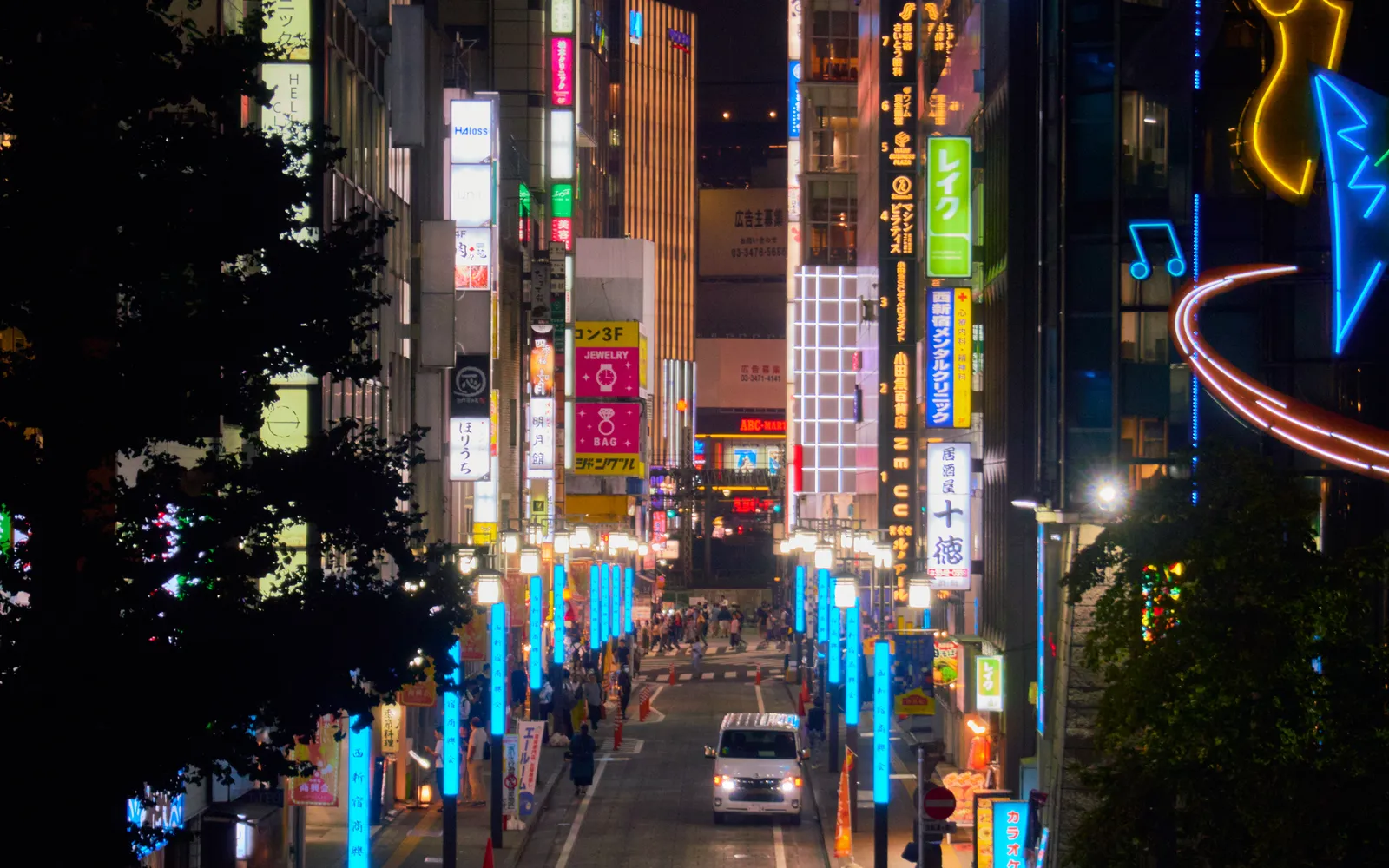
Neon signs along a commercial street in Shinjuku at night
Photo: lumoplank· Before 2023-10-30 · CC0 1.0Credits & license

Photographed Before 2023-10-30 · Checked 2026-10-20

Cropped and resized for this page. Historical photograph; appearance may have changed.

Choose your base in one minute

For a first visit, shortlist Shinjuku or Shibuya if your evenings revolve around western Tokyo; Ueno for museums and a Narita airport connection; Asakusa for temple streets; or Tokyo Station when a train to your next city shapes the trip. These are editorial starting points, not a ranking of hotels or a promise that one area suits everyone.

Before comparing rooms, mark your arrival airport, two must-see places and your departure station. Then check the actual hotel entrance and nearest usable station exit. A cheaper room can lose its appeal if each outing begins with a difficult walk with bags.
Shinjuku: for varied evenings and a western Tokyo base

Shinjuku combines shopping, dining and several rail networks. GO TOKYO distinguishes the west-side high-rise district, east-side entertainment area and south-side shopping and bus terminal. That difference matters more than simply choosing a hotel with “Shinjuku” in its name. See the official Shinjuku area guide.

Our suggestion: choose a hotel whose walking route you understand, then use that same entrance as your daily starting point. If quiet evenings matter, inspect the surrounding streets and recent room-specific noise reviews before booking. A neighbourhood label cannot guarantee silence. Avoid planning an arrival-day restaurant reservation that depends on navigating the station perfectly on your first attempt.

Shibuya: for shopping and evenings near your hotel

Shibuya is another option for travellers spending time in western Tokyo. Its station connects JR, private railway and several Tokyo Metro lines; the official area guide also introduces nearby fashion and shopping districts. Read GO TOKYO's Shibuya guide.

Our suggestion: choose it when you expect to return here for dinner or shopping, rather than travelling across the city every evening. Compare the final walking route with Shinjuku before deciding. Being near a famous crossing does not mean being near the platform you need. Confirm the hotel's entrance instructions, especially with a stroller or large suitcase.

Ueno: for museums, park time and Narita access

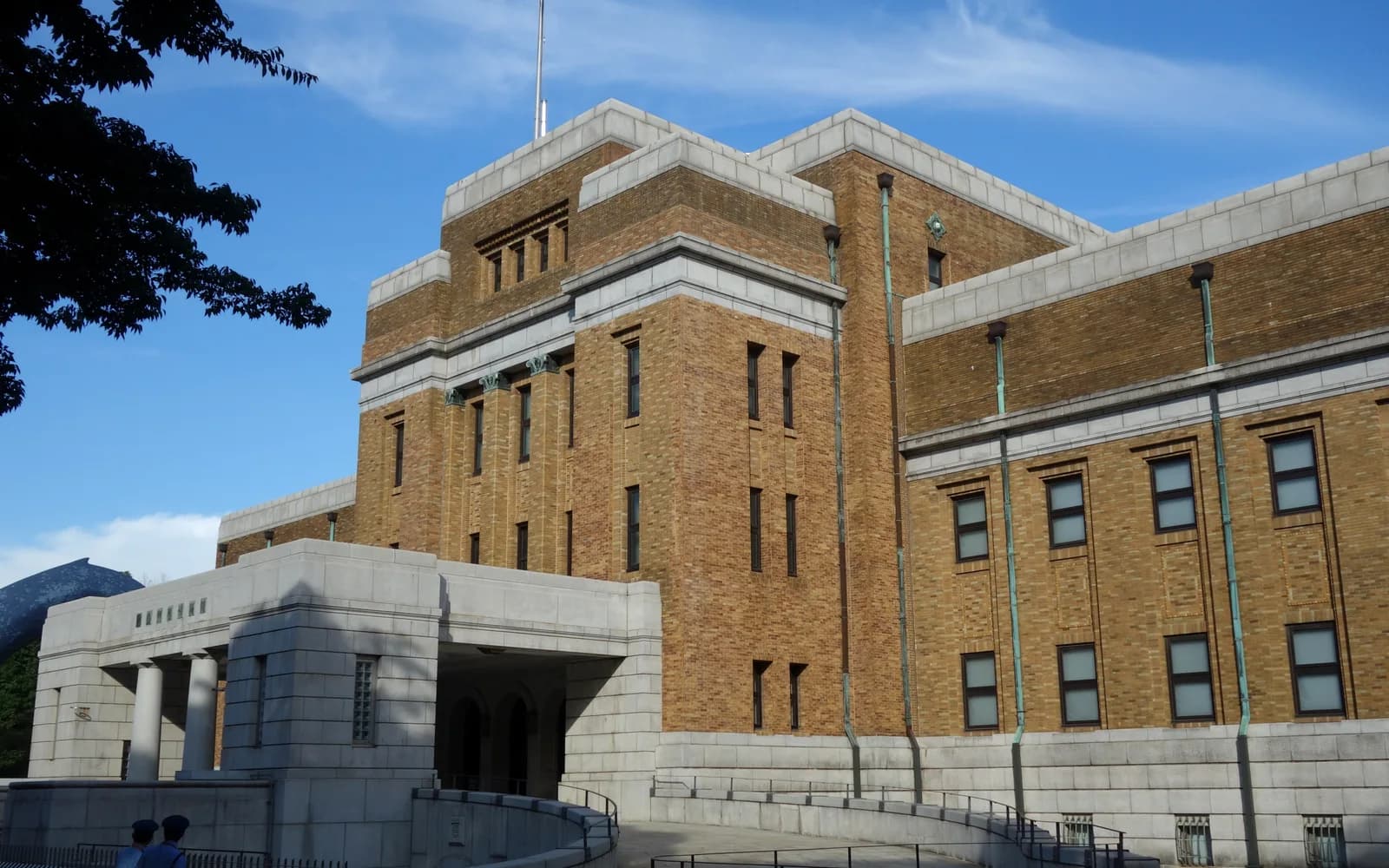
Ueno brings museums and park visits into one part of your trip. JR Ueno, the subway stations and Keisei Ueno are distinct arrival points: check which one your route actually uses. The official Ueno guide explains the area's attractions and rail connections. Keisei's airport access guide identifies Skyliner connections through Ueno and Nippori.

Our suggestion: shortlist Ueno if museum visits are a priority or your Narita transfer works well from Keisei Ueno. Check the walk from that station to your hotel separately from the walk to JR Ueno. For a ready-made indoor day, use our Ueno rainy-day museum route, checking museum opening calendars before choosing the date.

Asakusa: for temple streets and an eastern Tokyo stay

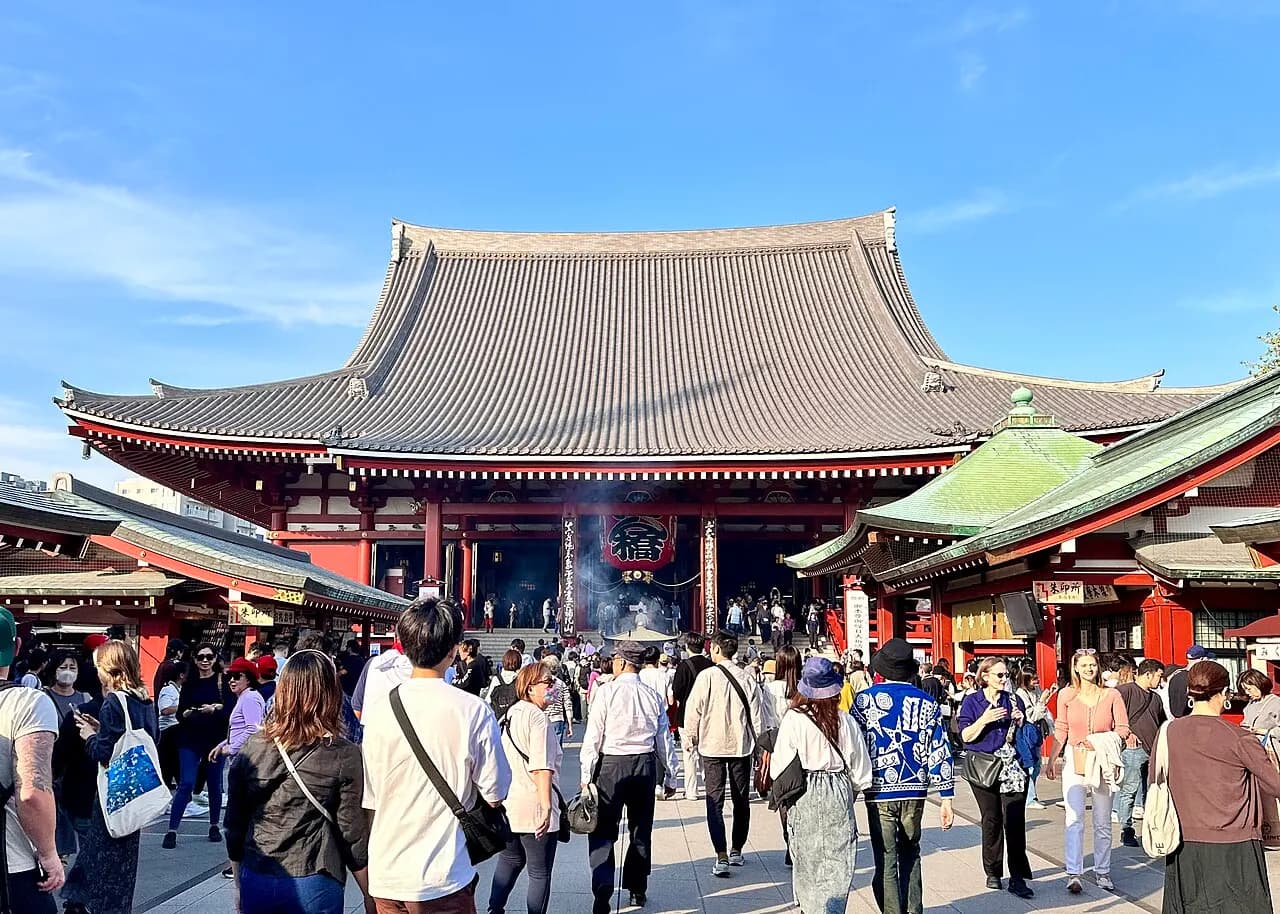
Asakusa centres on Sensoji, Nakamise and the Sumida River area. The official guide lists Ginza Line, Toei Asakusa Line and Tobu connections. See GO TOKYO's Asakusa guide.

Our suggestion: consider staying here when those walks are part of the holiday you want, rather than treating Asakusa only as a brief stop. Compare journeys to your western Tokyo plans before booking. Ask the hotel which operator's station and exit it means by “Asakusa,” and check the entire street route with luggage. Do not assume every train displaying an airport destination is the right service for your terminal and departure time.

Tokyo Station: for a stay organised around onward travel

Tokyo Station links local rail with Shinkansen services, while Marunouchi offers shopping and dining around the station. The official Tokyo Station and Marunouchi guide introduces the district and its transport connections.

Our suggestion: shortlist this area if your next travel day starts here, especially if avoiding an extra luggage transfer matters more than evening nightlife. Check the side of the station, hotel entrance and departure platform independently. A hotel near the station is not necessarily a short walk from every gate. Leave time to locate your train before buying breakfast or souvenirs.

Let your airport narrow the shortlist

For Narita, JR East lists Narita Express routes serving Tokyo, Shinagawa, Shibuya and Shinjuku; check the destination of the particular departure you plan to use. Keisei offers a separate airport route through Nippori and Keisei Ueno. Compare the complete journey to your hotel, including ticket conditions and the final walk, using JR East's N'EX guide and Keisei's route planner.

For Haneda, compare Keikyu via Shinagawa with Tokyo Monorail via Hamamatsucho, then the onward journey to your chosen hotel. GO TOKYO's Haneda guide explains terminal access and transport options. Check your actual arrival terminal and travel date; a published train time is not a flight-landing-to-hotel estimate.

For a late arrival, verify the last usable connection and the hotel's check-in deadline before paying. Have a backup if a delay removes your preferred option. Use our Tokyo arrival-day guide to keep the first evening manageable.

Compare the room, not just the district

Use this booking checklist for each shortlisted property:

  • Confirm the room's floor area, bed configuration and space for your bags.
  • Check lift access along the station-to-hotel route if steps are difficult for your group.
  • Ask about luggage storage before check-in and after check-out; do not assume it is included.
  • Compare the total price for your dates, taxes, cancellation terms and breakfast arrangements.
  • For children, verify the property's occupancy and bedding rules for the exact ages in your party.
  • If quiet matters, check the room location and recent reviews rather than relying on an area-wide description.

We have not quoted hotel rates or labelled a whole district “cheapest”: availability and the room you need can change the comparison. These are checks to make with the property, not claims that every hotel supplies the same services.

One hotel or two?

For a short Tokyo visit, our editorial preference is one well-chosen base unless a flight or another practical constraint makes moving worthwhile. Changing hotels adds packing, luggage handling and another check-in. Test your shortlist against our three-day Tokyo itinerary before adding a second booking.

Continuing to Kansai? Compare the Tokyo nights with the rest of our 10-day Japan itinerary, then use Namba versus Umeda for your Osaka base.

Official references checked on 20 October 2026. Area recommendations are editorial judgements, not first-hand hotel reviews. Confirm transport, hotel terms and current prices for your own dates.

Sources & further reading

Where to next?