Skip to content
TabipitaJAPAN TRAVEL NOTEBOOK日本語

YOUR JAPAN TRAVEL NOTEBOOK

Is the Osaka Amazing Pass Worth It? Costs & Route Checks

Compare Osaka Amazing Pass costs with real sightseeing days, Umeda’s 15:00 cutoff, Tsutenkaku booking rules and cheaper transport options for your first trip.

Tabipita editorial team

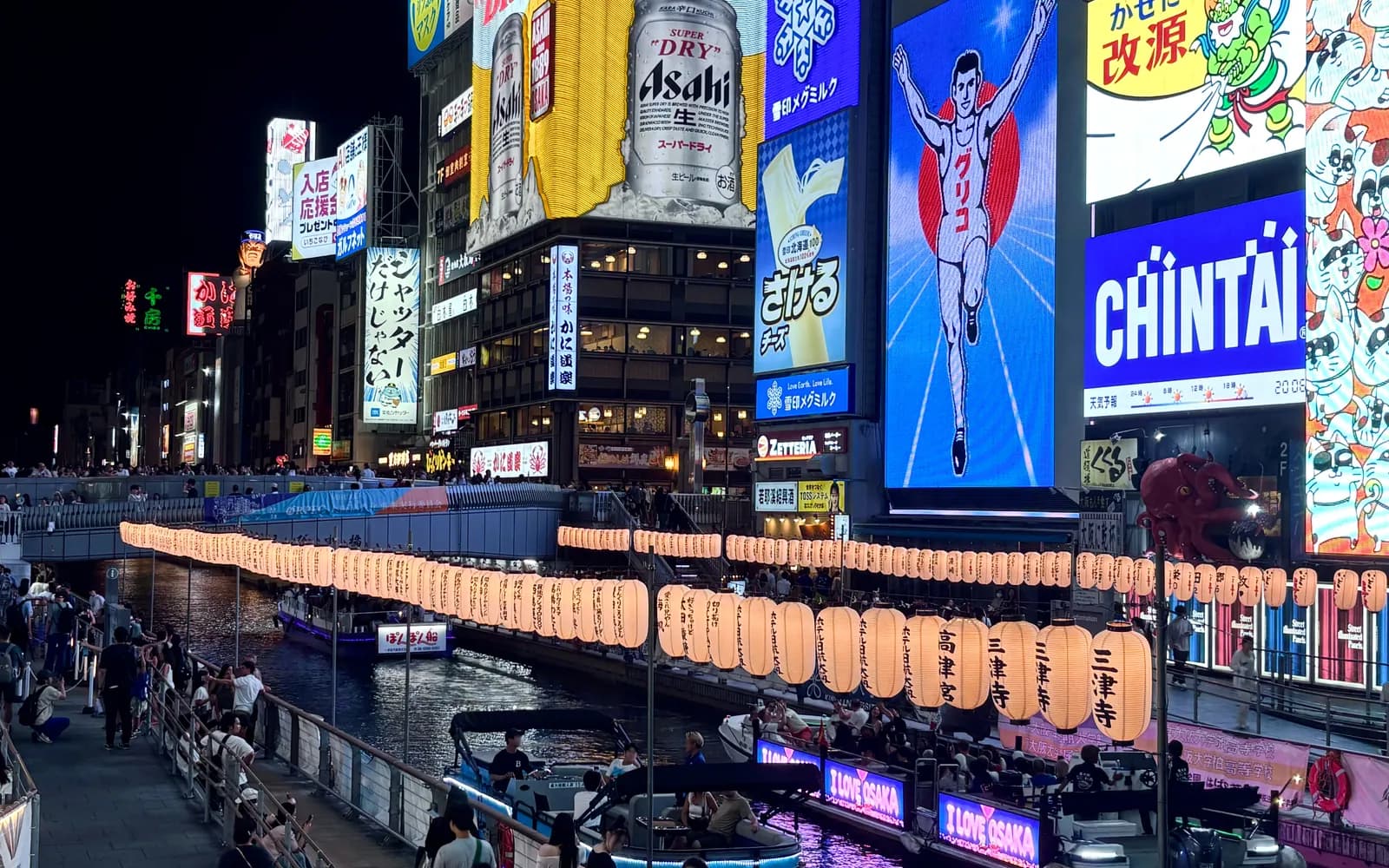
Illuminated signs and lanterns beside the Dotonbori canal in Osaka
Photo: Sakai Yayoi· 2026 · CC0 1.0Credits & license

Photographed 2026-08-25 · Checked 2026-10-28

Resized and converted to WebP; responsive crop.

The Osaka Amazing Pass costs ¥3,500 for one day or ¥5,000 for two consecutive days. It can save money on paid attractions and covered transport, but it is not an automatic win for every Osaka itinerary. Our castle-and-Shinsekai day is a close call; our second day's late-afternoon Umeda visit misses the free-entry window.

Official information checked November 5, 2026. This guide compares the standard 1-day/2-day product, with the airport versions identified separately. Fare calculations are adult examples for ordinary operating dates, not promises about queues, available tickets or future prices.

Decide from your actual route

  • Food, shopping and neighbourhood walks: normally start with individual fares or a transport-only ticket. Dotonbori, Kuromon browsing and Shinsekai streets do not become paid attractions simply because a pass is available.
  • Several included paid sights: add only the admissions you genuinely want, then covered transport. Check entry deadlines and reservations before counting any saving.
  • Two nights in Osaka: this does not automatically justify a 2-day pass. An arrival afternoon, a departure morning or a Kyoto day trip may contribute little eligible value.
  • Travelling with children: calculate separately. The operator's FAQ says there is no child-priced Amazing Pass; adult examples can overstate a family's saving.

Use our Osaka 2-day itinerary to see the actual sightseeing blocks, walking and meal breaks. Choose the ticket after the route, rather than adding unwanted visits to recover its price.

The numbers for our castle, Kuromon and Shinsekai day

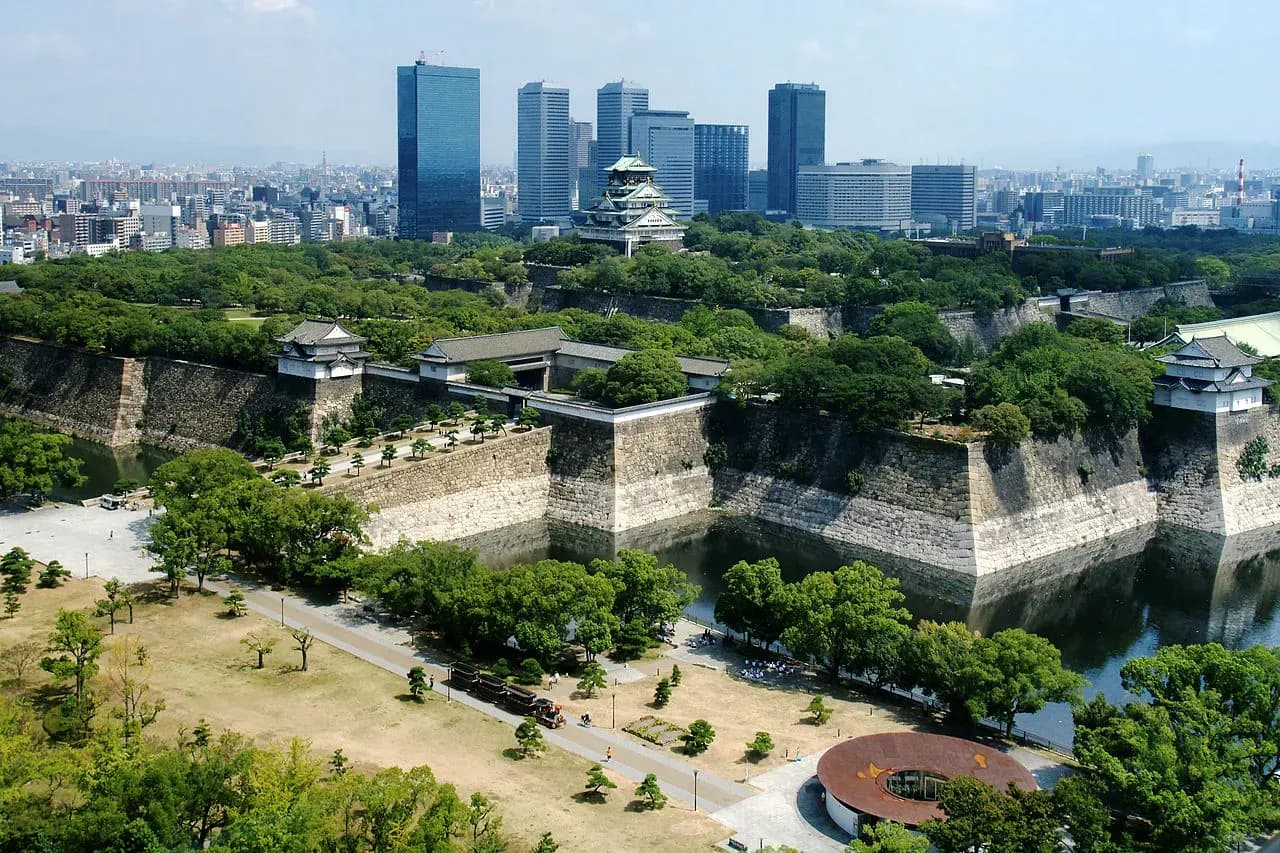
The two planned paid attractions are the Osaka Castle Museum, ¥1,200, and Tsutenkaku's general observatory, ¥1,500 on ordinary dates. That is ¥2,700 in admission. Kuromon lunch, shopping and the optional Dotonbori dinner are additional spending, not pass savings.

For a day using eligible Osaka Metro/City Bus routes, the Enjoy Eco Card is ¥820 on weekdays or ¥620 on Saturdays, Sundays and public holidays. This gives a useful comparison before any separate attraction discounts:

  • Ordinary weekday: ¥2,700 + ¥820 = ¥3,520. The ¥3,500 Amazing Pass saves only ¥20 against that combination.
  • Weekend/public holiday: ¥2,700 + ¥620 = ¥3,320. That combination costs ¥180 less than the Amazing Pass.

These examples assume your transport stays within the cheaper ticket's area. Enjoy Eco Card excludes Yumeshima Station and specified bus services, and does not replace private-railway fares. Paying individually may cost still less if you take few rides; additional admission discounts may also change the comparison. Do not treat ¥20 as a robust reason to buy.

Date exception: Tsutenkaku's operator lists the adult general-observatory price as ¥1,800 from December 30, 2026 through January 3, 2027. Recalculate for your date and check the castle's holiday opening calendar; the ordinary-day example cannot be applied unchanged.

The booking detail that changes the afternoon

Tsutenkaku requires a timed entry. Its operator says Amazing Pass holders arrange their time slot at the on-site counter on the day. A pass does not give you the advance online slot available with an individually purchased ticket, and late slots can sell out.

Our course's approximately 15:30 tower visit is a planning target. If the available pass-holder slot is much later, either shorten another optional activity, accept the wait or choose a street-only afternoon and recalculate the pass value. Do not promise the original timetable and a guaranteed pass reservation simultaneously. The general observatory, outdoor deck and thrill attractions are different products; check each one's inclusion and restrictions.

Umeda Sky Building: before 15:00 matters

The official participating-attractions list includes the Umeda Sky Building observatory only within its free-admission window ending at 15:00. From 15:00 it lists a 10% admission discount, rather than free entry. Aim comfortably before the cutoff if you intend to use the included visit.

Our second Osaka day reaches the observatory at approximately 15:30, after the History Museum, Nakanoshima, lunch and the approach through Umeda. At the observatory's current adult price of ¥2,000, a 10% discount leaves ¥1,800 to pay. Do not count that afternoon visit as ¥2,000 of free admission when comparing passes.

Keep the existing relaxed day and budget for the ticket, or deliberately redesign it around an earlier observatory visit. Removing lunch or assuming a station-to-rooftop transfer takes only a few minutes is not a realistic saving. Choose your Namba or Umeda hotel base first and include the final station approach and return to your hotel.

Should you buy the 2-day version?

It costs ¥1,500 more than the 1-day pass. First decide whether the 1-day option is sensible at all; then compare the additional covered value on the next day. Two days do not remove time restrictions. Each attraction can be used once within the 2-day validity period, not once on each day.

For our Japan 10-day itinerary, the principal Osaka sightseeing day follows a separate arrival afternoon. For the Japan 14-day itinerary, there are two full Osaka days, but the Umeda cutoff still applies. Keep these distinctions when comparing costs rather than counting every night at your Osaka hotel as a pass day.

If you prefer the Osaka History Museum and castle-grounds half-day, price that shorter plan separately. Walking around the grounds is not the same purchase as entering the castle tower museum.

Coverage and airport versions

The standard product covers Osaka Metro and eligible City Bus services, plus specified city-area sections of Hankyu, Hanshin, Keihan, Kintetsu and Nankai. Use the official coverage map to check your stations. A participating railway's name does not mean its entire network is included; JR journeys need a separate valid ticket.

The standard pass is different from the Itami Airport version and the Kansai Airport 28-hour version. The current product information lists the KIX version at ¥5,300, on sale October 1, 2026–March 31, 2027, with a one-way Nankai journey from Kansai Airport to Namba. Reserved-seat limited expresses require an extra fee, and airport limousine buses are not covered. It is not an airport-to-hotel ticket for every district. Compare with our Kansai Airport to Osaka guide before choosing it.

Activation, closures and a final check

The standard pass is not a rolling 24- or 48-hour ticket. Its digital service day runs from 03:00 to 02:59 the following morning; trains still follow their actual operating hours. Activate just before using it, after 03:00 on the intended day. The 2-day version uses consecutive days. Follow the official purchase and use guide: a working smartphone, network connection and the relevant browser camera permission are required. Present the live ticket; screenshots and printouts are not accepted.

Check the participating-attractions page for dated exclusions, not just attraction names. An attraction being open does not necessarily mean the pass benefit applies to your date, time or selected exhibition. Remove any unavailable benefit from the calculation before paying.

Before buying, confirm your travel date, covered stations, two or three genuinely wanted visits, each entry deadline and your phone setup. Leave room for lunch and a rest. If rain or fatigue removes the main paid visit, recalculate before activating instead of forcing another attraction into the day.

Sources & further reading

Where to next?