One day works for a focused introduction. This route pairs a short Fushimi Inari visit with Gion, leaving space for lunch and the journey back to Osaka. It does not include Arashiyama, Kinkaku-ji or a full mountain hike. For eastern Kyoto plus Arashiyama, choose our Kyoto two-day course.
Is one day in Kyoto enough?
Start from your Osaka hotel
From JR Osaka Station, take a Special Rapid service to Kyoto, then a JR Nara Line train that stops at Inari. Kyoto City gives approximately 30 minutes for the Osaka–Kyoto train alone; transfers and hotel access add time. From the Yodoyabashi or Kyobashi area, compare a Keihan journey to Fushimi-inari instead. Check the stopping pattern: do not assume every express serves the shrine station. See Kyoto City: arriving from Osaka.
Editorial planning allowance: leave your hotel around 08:00–08:30 for a relaxed morning arrival, adjusting for your actual connection. These are suggested times, not a railway timetable. Leave large bags at your Osaka accommodation.
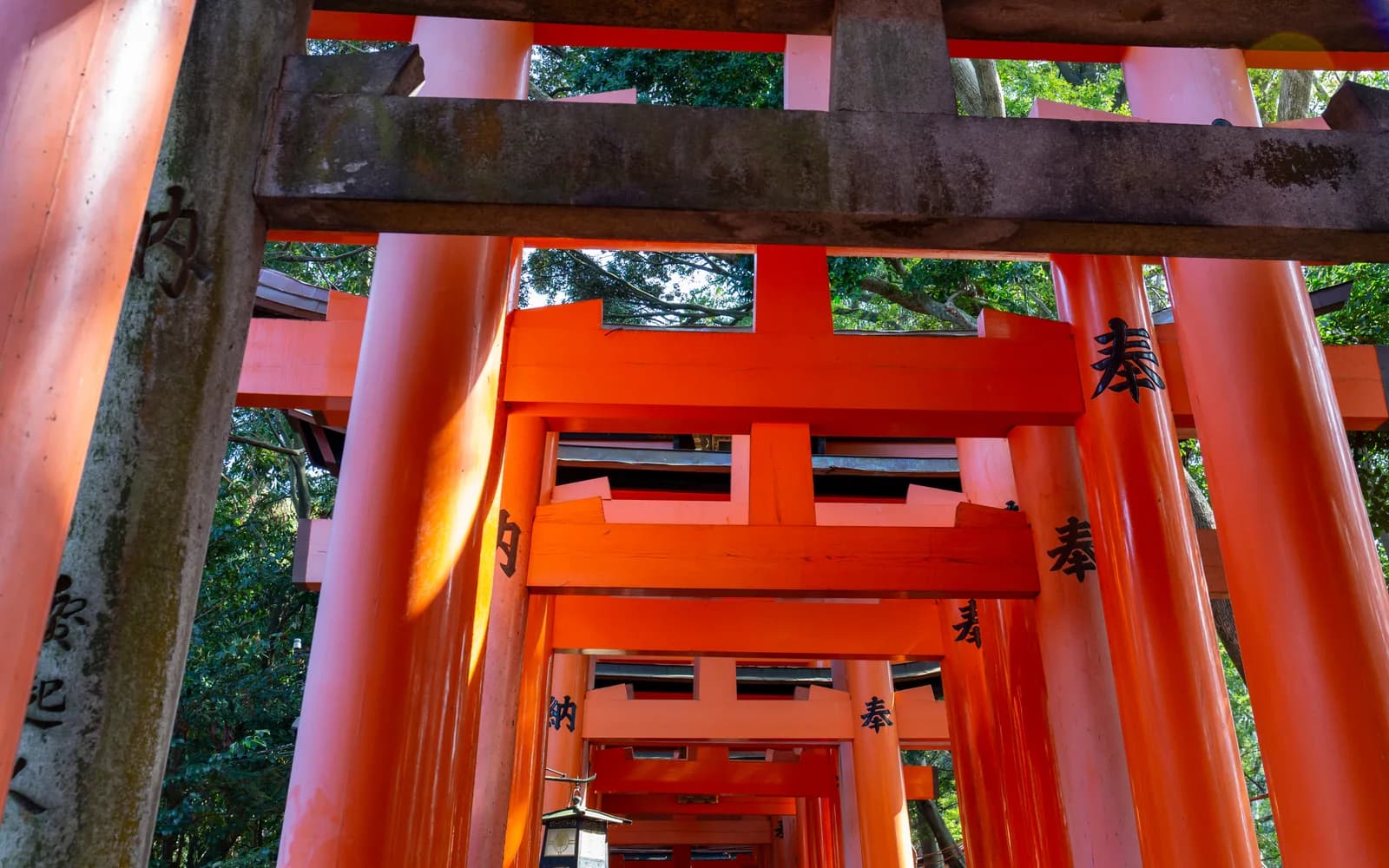
Morning: a short Fushimi Inari visit
Allow 60–90 minutes for the lower precincts and a return through the torii area. This is not a summit itinerary. JR Inari is beside the shrine; Keihan Fushimi-inari is a short walk away. Follow the entrance signs rather than a numbered exit invented for this itinerary. Choose your turn-around point before climbing; our Fushimi Inari guide explains the options.
If you decide to hike farther, make that the main activity and shorten or drop Gion. Do not try to recover time by skipping lunch.
Lunch and the transfer to Gion
Walk to Keihan Fushimi-inari and use a Kyoto-bound service stopping at Gion-shijo. Keihan's own itinerary links these two stations. Allow 30–45 minutes for the complete transfer, including walking and waiting; that is our buffer, not the advertised train time. Keihan: Fushimi Inari and Gion itinerary.
Set aside 45–60 minutes for a seated lunch near your chosen stop. Pick the restaurant after checking its hours, queue and dietary information. The course does not assume that a particular restaurant will have space.
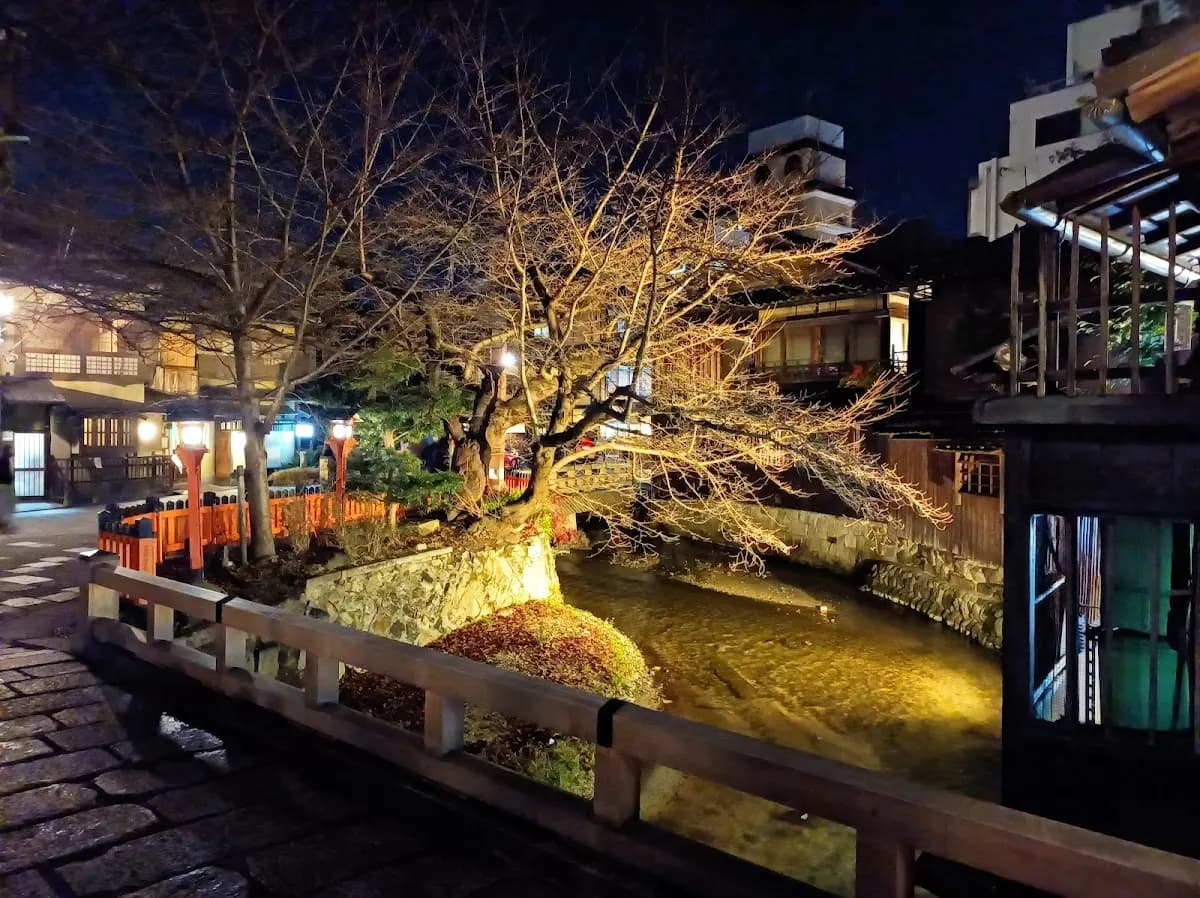
Afternoon: Gion at walking pace
Use Gion as a neighbourhood visit rather than a list of photograph locations. Allow about 90 minutes, with a cafe break if needed. Keep to public streets, follow photography signs and do not follow or obstruct people. Kyoto's visitor guidance asks visitors to respect private property and obtain consent before photographing people. Kyoto City: visitor guidelines.
Return to Osaka
Aim to leave the Gion area around 16:00–17:00 if you want dinner back in Osaka. Compare Keihan from Gion-shijo with Hankyu from Kyoto-Kawaramachi, according to your hotel. These are different stations and operators. Save the return route before leaving the hotel and check service information on the day; this plan does not depend on catching the last train.
Rain, tired legs and a shorter day
In light rain, shorten the shrine visit and take longer indoor breaks. In heavy rain, skip the mountain paths. A museum visit in Okazaki can replace the outdoor programme, but it requires a separate transfer and an opening-calendar check: National Museum of Modern Art, Kyoto: visiting. It is not an extra stop on this map.
For the next day, return to our Osaka two-day course. Use Getting around Kyoto when comparing stations and transport passes.
Official references checked on 20 October 2026. Meal breaks, walking allowances and the suggested schedule are editorial estimates.
Sources & further reading
- Kyoto City: arriving from OsakaChecked 2026-10-20
- Fushimi Inari Taisha: accessChecked 2026-10-20
- Keihan: Fushimi Inari and Gion itineraryChecked 2026-10-20
- Kyoto City: visitor guidelinesChecked 2026-10-20
- National Museum of Modern Art, Kyoto: visitingChecked 2026-10-20