Skip to content
TabipitaJAPAN TRAVEL NOTEBOOK日本語

YOUR JAPAN TRAVEL NOTEBOOK

Osaka to Kyoto by Train: JR, Hankyu or Keihan?

Choose the Osaka–Kyoto train for your hotel and first stop: JR, Hankyu or Keihan, with station differences, tickets, luggage and mapped day trips.

Tabipita editorial team

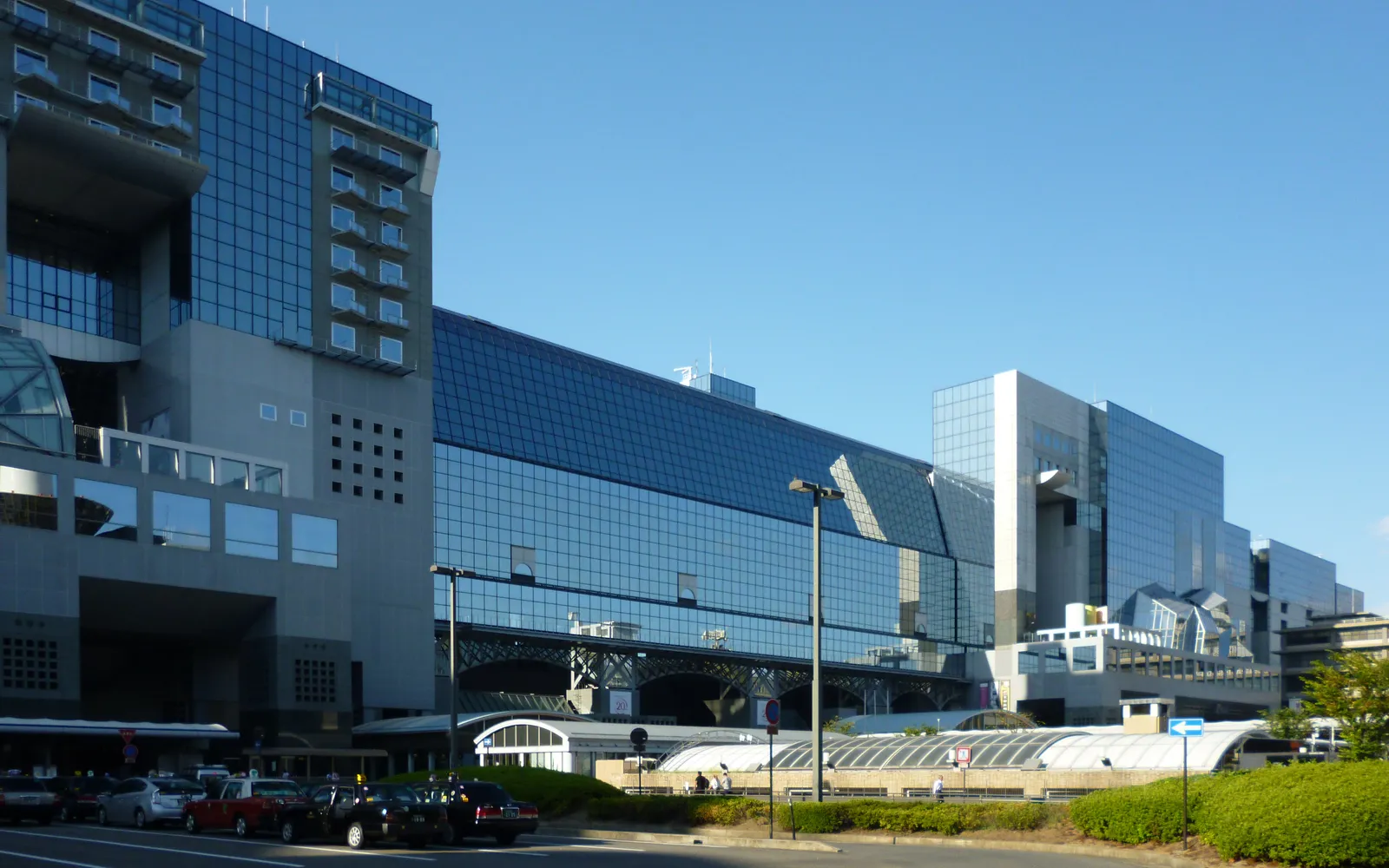
The glass facade of Kyoto Station beside its transport forecourt
Photo: EXECUTOR· 2017 · CC0 1.0Credits & license

Photographed 2017-09-02 · Checked 2026-10-29

Cropped, resized to 1600 × 1000 and converted to WebP; no generated content.

For Osaka to Kyoto, choose your arrival station before choosing your train. JR takes you to Kyoto Station, Hankyu to Karasuma and Kyoto-Kawaramachi, and Keihan to eastern Kyoto stations such as Gion-Shijo. The quickest ride between two stations may still leave you with the longest journey to your first sight.

Official transport information checked November 10, 2026. This guide helps you choose a railway; the linked courses contain the sightseeing stops, meal breaks and walking plans. Journey times below are published approximations for the rail section, not hotel-to-attraction promises.

Three useful routes from Osaka to Kyoto

  • JR Osaka Station → Kyoto Station: the JR Kyoto Line Special Rapid takes approximately 30 minutes. Choose this when your hotel or first connection is at Kyoto Station. Osaka Station and Shin-Osaka Station are different places.
  • Hankyu Osaka-umeda → Kyoto-Kawaramachi: allow approximately 45 minutes. This is useful for the downtown shopping area, Nishiki and a day finishing near the river. Karasuma is another downtown arrival option.
  • Keihan Yodoyabashi → Gion-Shijo: allow approximately 48–50 minutes on a Limited Express. This is useful for Gion and eastern Kyoto. Kyobashi is another Osaka boarding point; its journey time is different.

These routes and approximate times are described by Kyoto City's access guide and Keihan's line guide. Add the walk from your hotel, ticket gates, waiting, transfers and the final approach. A first visit with bags needs more margin than a familiar commute.

Start from your hotel, not a generic “Osaka” pin

Staying around Osaka Station or Umeda: compare JR with Hankyu. They do not share one set of gates. Use the operator name on the signs: JR Osaka for the Special Rapid, or Hankyu Osaka-umeda for Kyoto-Kawaramachi. Reaching the right platform is part of the journey.

Staying near Namba or Shinsaibashi: a useful eastern-Kyoto option is Osaka Metro to Yodoyabashi, then Keihan. The official Metro–Keihan map shows the connections. Compare this with going to Umeda when your destination is Kyoto Station or the Hankyu corridor. A hotel close to a different subway line can change the best choice.

Staying near Kyobashi or Yodoyabashi: check Keihan first for Gion or Sanjo. Going across Osaka to JR Osaka Station solely because a comparison calls JR “fastest” can add an unnecessary transfer.

Our Osaka neighbourhood guide helps match the base to your sightseeing days. Check your actual hotel entrance rather than just its neighbourhood name.

Match the railway to the first sightseeing stop

Kyoto Station or a Kyoto hotel check-in: JR is a straightforward starting comparison. Confirm whether your hotel is on the north or south side and how you will handle luggage before sightseeing. Use our Kyoto Station luggage guide for the separate storage decision.

Nishiki, downtown Kyoto and Gion: Hankyu and Keihan both deserve a look. Kyoto-Kawaramachi and Gion-Shijo serve opposite sides of the river; neither is Kyoto Station. Follow the Nishiki–Gion course when that is the day you actually want, rather than adding Fushimi Inari and Arashiyama to the same short visit.

Fushimi Inari first: check the service and its stopping pattern carefully. Keihan's Limited Express does not stop at every station along its route; select a connection that actually stops at Fushimi-Inari. JR's Inari is a different station name. Do not enter Fushimi-Momoyama as a substitute. Consult the Keihan stopping-pattern map before boarding.

Our Kyoto day trip from Osaka starts ready to board at Yodoyabashi at 08:00, not at an Osaka hotel at 08:00. It includes a short Fushimi Inari visit, Kiyomizu-dera, the hillside descent and Gion, with return rail travel in its planned day. Follow that course's station approach, visit scope and breaks; this transport guide does not add a second sightseeing programme.

Tickets, IC cards and reserved seats

For a simple return journey, compare the fares for your exact stations before buying a sightseeing pass. Include any Osaka subway connection and transport within Kyoto. A pass covering one operator does not automatically include the others.

Hankyu's official FAQ quotes ¥410 one way for an adult between Osaka-umeda and Kyoto-Kawaramachi, or ¥820 for two such journeys. That example excludes your hotel connection and any other operator. Check the fare shown when you buy; do not apply it to JR or Keihan. Use JR-West's journey information and the operator's station fare display for your selected service rather than treating an old comparison table as a current quote.

Keihan accepts compatible IC cards such as ICOCA and Suica: charge the card and tap at the gates. Each traveller needs their own card. If buying a regular paper ticket from a Keihan machine, its instructions specify cash; carry some rather than assuming every machine accepts a foreign bank card.

Ordinary cars and paid reserved-seat products are separate choices. Hankyu PRiVACE requires a seat fee in addition to the fare; the operator currently lists ¥500. A Keihan Premium Car also requires its own ticket in addition to the regular fare. Do not sit in a reserved-seat car merely because your IC card opened the station gate. Check available trains and seats before relying on this option with children or bags.

Should you take the Shinkansen?

Compare it if you are already at Shin-Osaka, are continuing a longer rail journey, or have a ticket whose conditions make it useful. It is not the default answer for every Osaka hotel. First include travel to Shin-Osaka, the appropriate fare and limited-express ticket, and the onward trip from Kyoto Station.

For a hotel near Yodoyabashi and a first stop in Gion, a direct Keihan journey can be simpler. For a hotel near JR Osaka and an arrival at Kyoto Station, compare the ordinary Special Rapid first. Our Tokyo–Kyoto Shinkansen guide addresses the longer intercity leg; its booking choices should not be copied blindly onto this short trip.

Luggage, rain and the return to Osaka

On a day trip, leave your overnight bag at your Osaka accommodation if it agrees to store it. On a hotel-moving day, settle the next hotel's bag-drop arrangements first. For a larger suitcase, our Japan luggage-forwarding guide explains the advance timing; forwarding is not an instant substitute for today's train journey.

If rain makes the hillside walking day unsuitable, switch to the Kyoto rainy-day course and choose your train for that course's starting area. Do not keep a distant temple detour simply to use a ticket already purchased.

Before dinner, check the return route from where you finish, including the connection to your Osaka hotel. You can arrive by one railway and leave by another if your tickets allow it. Leave a buffer before the final useful connection; this guide does not promise a universal last-train time. Restaurant waiting time and a walk back to the station still count.

Open live transit directions for your travel date: JR Osaka to Kyoto Station, Hankyu Osaka-umeda to Kyoto-Kawaramachi, or Yodoyabashi to Gion-Shijo. Check the suggested operator and departure time, as live suggestions can differ from these examples.

Fit this transfer into the rest of your trip

Use the Kyoto two-day course if staying overnight, and the Osaka two-day course for your Osaka sightseeing block. In our 10-day Japan itinerary and 14-day Japan itinerary, a Kyoto–Osaka hotel move and a separate return day trip are different choices. Do not count the same Kyoto sights twice. Choose the first stop, match the railway, then protect the time you want to spend there.

Sources & further reading

Where to next?

Photo: Martin Falbisoner· 2016 · CC BY-SA 4.0Credits & license

Photographed 2016-11-16 14:09:27 · Checked 2026-10-22

Resized and converted to WebP; displayed with a card crop. This adaptation uses the same share-alike license.

Kyoto · Itinerary

Kyoto 2-Day Itinerary for First-Timers: Maps & Transport

Plan 2 days in Kyoto for your first visit: Higashiyama, Gion and Arashiyama, with daily maps, station guidance and practical transport tips.

View itinerary