Skip to content
TabipitaJAPAN TRAVEL NOTEBOOK日本語

YOUR JAPAN TRAVEL NOTEBOOK

Kyoto Station to Higashiyama & Gion: Train Routes

Get from Kyoto Station to Higashiyama, Gion or Kiyomizu-dera: subway and JR–Keihan routes, final walks, luggage, tickets and the return to your hotel.

Tabipita editorial team

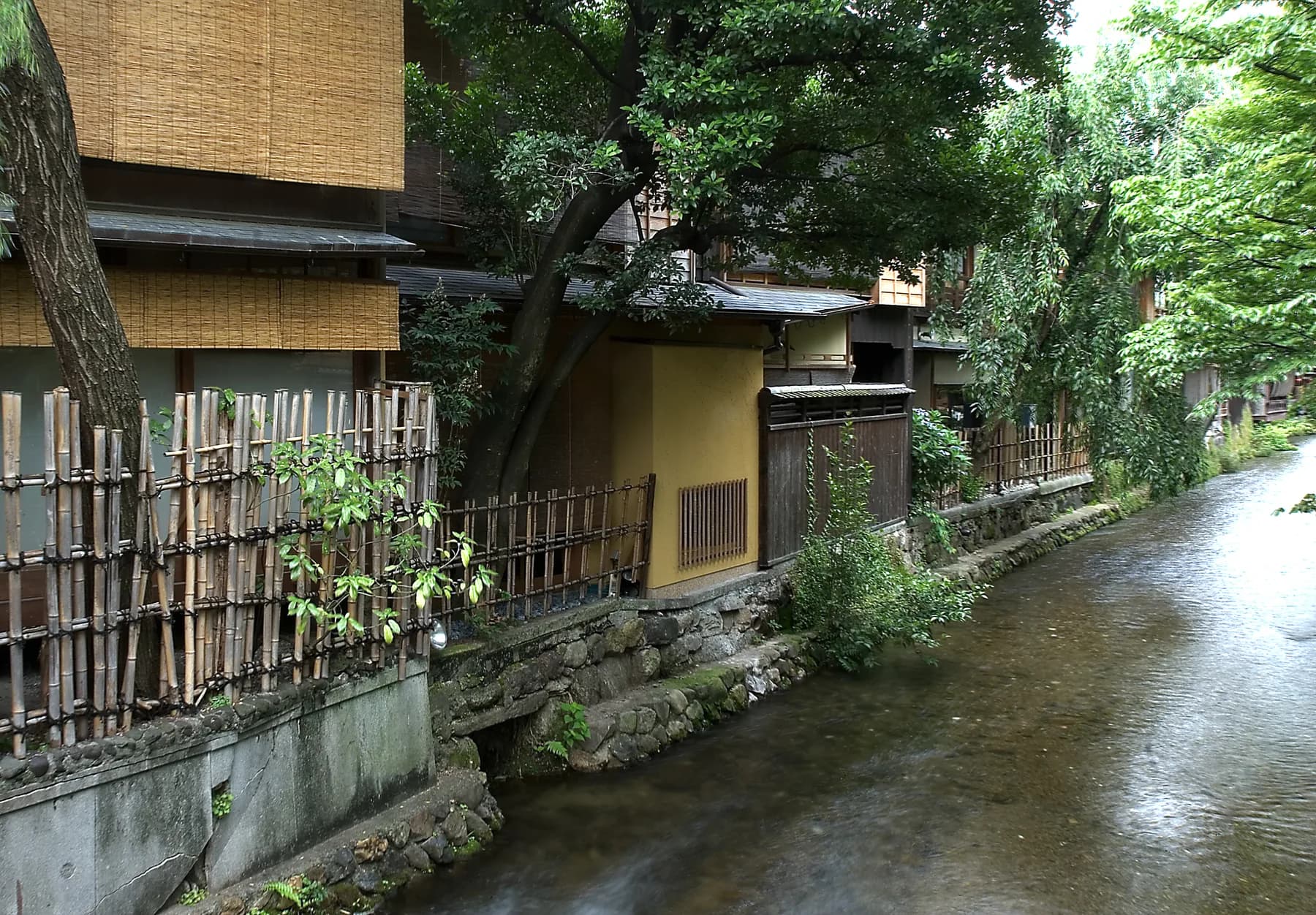
Traditional wooden teahouses beside the Shirakawa canal in Gion, Kyoto
Photo: MichaelMaggs· 2007 · CC BY-SA 2.5Credits & license

Photographed 2007-06-21 · Checked 2026-10-26

Resized and converted to WebP; responsive display crop. Any adaptations retain the source license. No generated imagery.

From Kyoto Station to Higashiyama Station, take the Karasuma subway to Karasuma Oike, then change to the Tozai Line for Higashiyama. But check your destination first: Higashiyama Station, Gion-Shijo and Kiyomizu-Gojo serve different parts of eastern Kyoto. Choosing the wrong one can turn a quick arrival into an extra walk before your day has even started.

Official information checked November 11, 2026. This guide covers the journey from Kyoto Station, the final approach and your return. Use the linked courses for sightseeing, photos and day-by-day plans.

For journeys elsewhere in the city, use our getting around Kyoto guide.
Choose your first stop

  • Higashiyama Station itself, or the northern approach towards Chion-in: use the municipal subway via Karasuma Oike. This is the direct answer when your hotel or meeting point specifically names Higashiyama Station.
  • Gion-Shijo, the river or a Gion dinner: compare JR to Tofukuji followed by Keihan to Gion-Shijo. It avoids starting your evening with a walk from the northern end of the district.
  • Kiyomizu-dera first: compare JR to Tofukuji and Keihan to Kiyomizu-Gojo, then the uphill approach. A sightseeing bus to Gojozaka is another option on its operating days, but it still leaves a walk.

These are choices for different starting points, not three journeys to complete. Kyoto City's rail guidance and Kiyomizu access advice explain the connections.

Kyoto Station to Higashiyama Station by subway

  • Step 1. At Kyoto Station, follow signs for the Subway Karasuma Line, rather than staying inside the JR gates. Take the northbound service towards Kokusaikaikan.
  • Step 2. Change at Karasuma Oike to the Tozai Line towards Rokujizo. Follow the transfer signs inside the subway system.
  • Step 3. Get off at Higashiyama, T10. Confirm the full destination on your saved hotel or meeting-point address before leaving the station.

Kyoto City's Gion access page gives approximately 15 minutes for the subway journey. That is not the time from a Shinkansen seat to a temple gate. Finding the subway, waiting, changing platforms and leaving the station all need room in your plan. For a first visit, a 30–40-minute station-arrival allowance is our planning estimate, before the final walk; it is not a live journey prediction.

Use the official station timetable and layout to check your travel day and accessibility. For step-free street access, the operator directs passengers to the platform lift, ticket gate and Exit 2 lift on the south side of Sanjo-dori. The Higashiyama station map marks the lift route. Follow that route with a pushchair or suitcase instead of assuming the nearest numbered exit is step-free.

Higashiyama Station is not the gate to every Higashiyama sight

The station name can be misleading when your plan says only “Higashiyama.” Kyoto City's suggested walk heads east along Sanjo-dori, then south on Jingu-michi towards Shoren-in, Chion-in and Maruyama Park. This suits a day deliberately exploring the northern approach. It is a sightseeing choice, not a shortcut to every temple.

For Kiyomizu-dera, the city gives roughly 35 minutes on foot from Higashiyama Station through the historic lanes. Crowds, photographs, slopes and stops can make it longer. Do not add that walk before an early Kiyomizu booking simply because a station shares the district's name. Our eastern Kyoto temple course and Kyoto two-day itinerary start at the temple; the journey to its entrance is additional.

Kyoto Station to Gion-Shijo

For a river-side meeting point or a meal in Gion, take a JR Nara Line train that stops at Tofukuji, then transfer to a northbound Keihan train stopping at Gion-Shijo. Check the destination and stop list, rather than boarding by train colour alone. JR and Keihan are separate operators; the transfer is not the same as changing between the two municipal subway lines.

Yasaka Shrine's official access page puts the walk from Gion-Shijo at about five minutes. Allow extra for finding the exit, crossing roads or walking with children. A restaurant anywhere in the wider Gion area may be farther away: navigate to the actual address, not just the station.

If arriving directly from Osaka, you may be able to stay on Keihan towards Gion-Shijo rather than detouring through Kyoto Station. Use our Osaka–Kyoto train comparison to choose the railway from your starting area.

Kyoto Station to Kiyomizu-dera

The rail option is JR to Tofukuji, then Keihan to Kiyomizu-Gojo. Make sure your train stops there. From Kiyomizu-Gojo, the temple lists approximately 25 minutes on foot, including the uphill approach.

Use Kiyomizu-zaka towards Nio-mon or the official Chawan-zaka approach. The temple explicitly warns that some online mapping routes do not reach its grounds. Its official access page includes the wheelchair-access map and opening information. The temple opens at 06:00, but closing times and special evening openings vary. Arriving at a nearby station does not mean you have reached admission.

On Saturdays, Sundays and public holidays, EX100 and EX101 sightseeing buses provide another approach from Kyoto Station to Gojozaka. The current municipal guidance lists an adult fare of ¥500; the Subway & Bus 1-Day Pass is accepted. Check the actual timetable and service notices for your date. Do not assume this service runs on an ordinary weekday or that traffic will match a route-planner estimate.

Tickets, luggage and a realistic start

The municipal subway accepts compatible transport IC cards, including Suica and ICOCA; see the operator's riding guide. Check the official fare chart with your actual boarding station selected. A municipal pass does not automatically pay the JR and Keihan portions of the Tofukuji route. Compare your day's covered rides in our Kyoto pass guide.

Store or send large bags before climbing the temple lanes. Our Kyoto Station luggage guide explains counter locations and collection deadlines. If this is an arrival day, do not treat a full temple itinerary as starting the moment your intercity train arrives. Allow for baggage, your hotel and a meal; start with fewer sights when necessary.

In heavy rain, the rail portion still leaves exposed walking and slippery approaches. Choose a shorter visit or the Nishiki and Shinkyogoku rainy-day alternative instead of adding transport just to preserve every outdoor stop. With limited walking tolerance, check the temple's accessible approach and ask your accommodation about a suitable taxi drop-off; a taxi cannot remove every slope or step inside a visit.

Finish near dinner, then return to your hotel

If your day ends in Gion, choose dinner around your actual endpoint or across the river near Shijo-Kawaramachi. Check the restaurant's opening day, last order and booking rules before relying on it; the neighbourhood has no single closing time. The Kyoto food guide helps separate meal planning from sightseeing.

For a Kyoto Station hotel, reverse the Gion-Shijo → Tofukuji → JR Kyoto connection when it fits your dinner location and service time. If finishing near Higashiyama Station, reverse the subway route through Karasuma Oike. Save a dated return journey before dinner; last departures depend on the operator and day. There is no need to walk back to your morning arrival point simply to retrace the whole day.

Quick answers

Is there a direct subway from Kyoto Station to Higashiyama? No. Change from the Karasuma Line to the Tozai Line at Karasuma Oike.

Is Higashiyama Station the best station for Kiyomizu-dera? It is useful for a longer scenic approach, but not automatically the best start for a temple-first day. Compare Kiyomizu-Gojo and the operating-day bus option, including their final walks.

Can I use this for Day 1 of the Kyoto two-day course? Yes. Choose the approach to Kiyomizu-dera and arrive at its entrance for the course start. Use Higashiyama Station if you intentionally replace that plan with a north-to-south walk; do not stack both approaches onto the same morning.

Sources & further reading

Where to next?

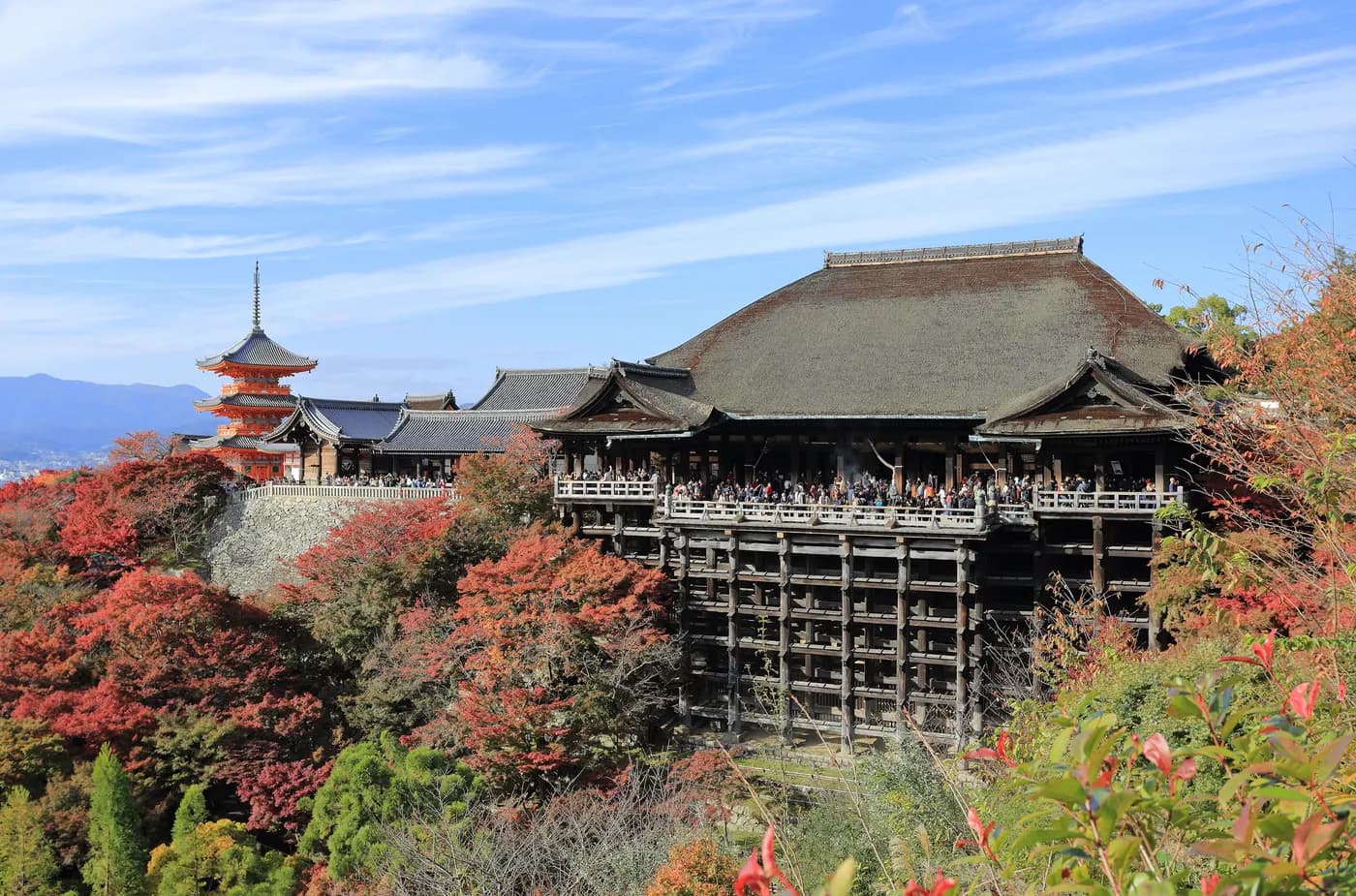
Photo: Martin Falbisoner· 2016 · CC BY-SA 4.0Credits & license

Photographed 2016-11-16 14:09:27 · Checked 2026-10-22

Resized and converted to WebP; displayed with a card crop. This adaptation uses the same share-alike license.

Kyoto · Itinerary

Kyoto 2-Day Itinerary for First-Timers: Maps & Transport

Plan 2 days in Kyoto for your first visit: Higashiyama, Gion and Arashiyama, with daily maps, station guidance and practical transport tips.

View itinerary