Skip to content
TabipitaJAPAN TRAVEL NOTEBOOK日本語

YOUR JAPAN TRAVEL NOTEBOOK

Tokyo to Kyoto Shinkansen: Tickets, Stations & Luggage

Plan your Tokyo–Kyoto train transfer: compare stations and fares, book the right luggage space, use station maps and choose a realistic arrival afternoon.

Tabipita editorial team

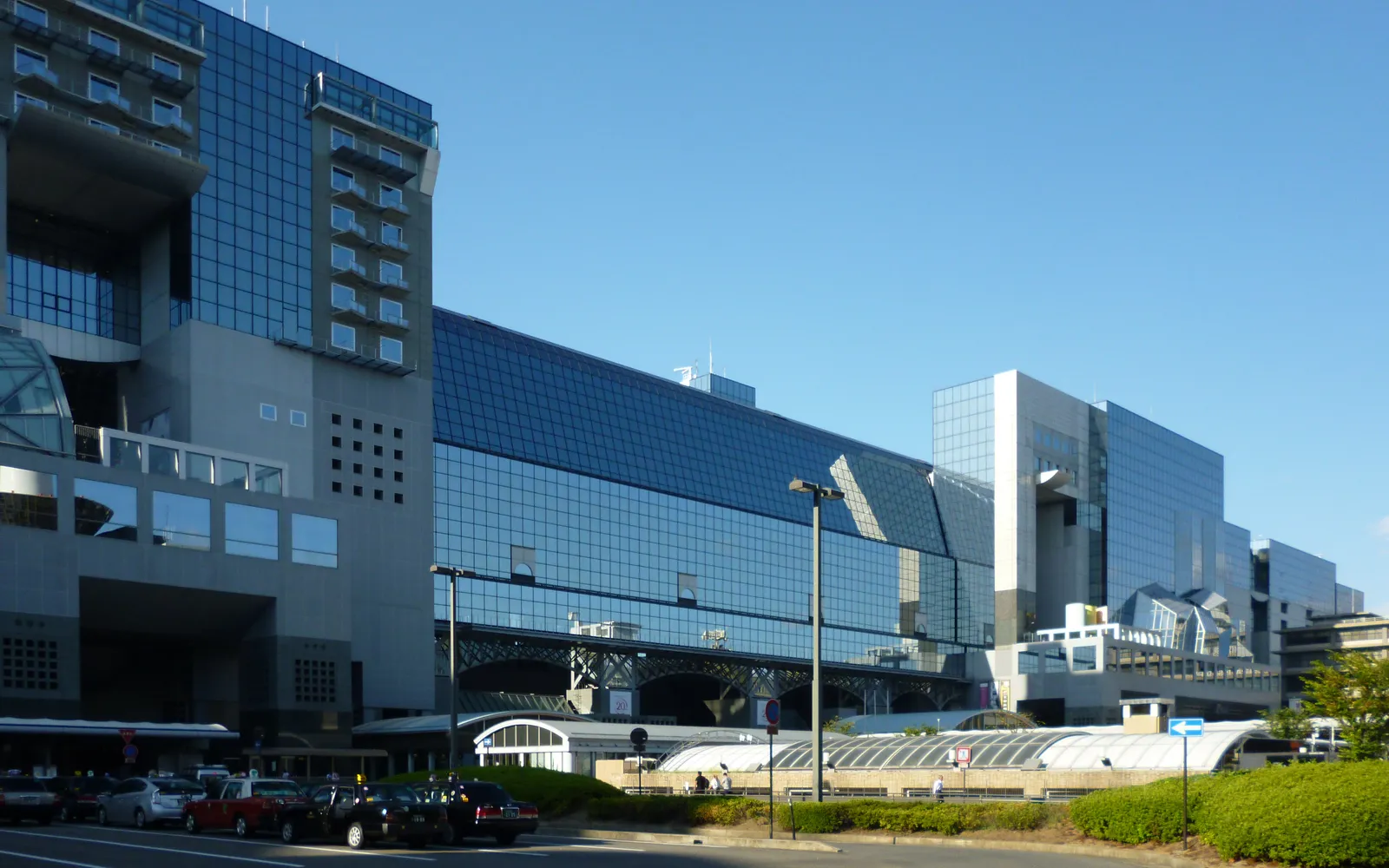
The glass facade of Kyoto Station beside its transport forecourt
Photo: EXECUTOR· 2017 · CC0 1.0Credits & license

Photographed 2017-09-02 · Checked 2026-10-29

Cropped, resized to 1600 × 1000 and converted to WebP; no generated content.

For Tokyo to Kyoto by Shinkansen, choose your departure station, train and luggage arrangement together. A fast train does not make the whole hotel-to-hotel move a two-hour outing: you still need to reach the station, find the gate and settle your bags in Kyoto.

This guide helps you book that transfer, then join the mapped days in our Japan 10-day itinerary or Japan 14-day itinerary. Official information was checked on October 30, 2026. Prices below are published reference fares, not a live quote or a guarantee of seat availability.

The quick choice

  • First trip, fixed hotel dates: start with a direct Nozomi and an ordinary reserved seat. Choose the station that is easiest to reach from your hotel, then check luggage space before paying.
  • Already using a nationwide Japan Rail Pass: compare a Hikari with the additional ticket required for Nozomi. Do not buy the pass solely because this transfer appears in your route.
  • A suitcase over 160 cm and up to 250 cm in total dimensions: select a seat with an oversized baggage area. A normal seat reservation does not automatically include that space.
  • Arrival from an international flight that morning: leave a generous connection margin. Immigration, baggage collection and the journey into Tokyo are separate from the Shinkansen ride.

Tokyo Station or Shinagawa: book the station you will use

Both are departure choices for Kyoto on the Tokaido Shinkansen. In the reservation form, Tokyo means Tokyo Station, not whichever station is nearest your accommodation. Shinjuku and Shibuya require a local connection before this Shinkansen journey.

Compare your hotel's door-to-station route, stairs and number of transfers. Tokyo Station may fit a stay near Marunouchi or the station itself; Shinagawa can be a useful alternative when your local connection reaches it more easily. There is no single best departure station for every Tokyo hotel. Book your actual boarding station rather than assuming two bookings are interchangeable.

Use JR Central's station maps for Tokyo, Shinagawa and Kyoto. At Tokyo Station, follow Tokaido/Sanyo Shinkansen signs, not just any sign saying Shinkansen. Match the departure board's train number and time to your booking; the platform is not determined by your destination alone.

Our planning allowance is to reach the departure station 30–45 minutes before the train, longer if you need ticket help, lifts or food. This is an editorial buffer, not a railway check-in deadline. Buy a lunch box before boarding if that avoids arriving hungry in Kyoto.

Nozomi, Hikari and the actual travel time

Nozomi is the fastest train category on this line; Hikari makes additional stops. Kyoto's official tourism information gives about 2 hours 20 minutes for a Tokyo–Kyoto Nozomi. Use your selected train's published arrival time rather than treating that example as a timetable for every departure. Train types and Kyoto's transport FAQ provide the background.

Choose a direct train that stops at Kyoto. If your plan continues to Osaka instead, the Shinkansen station is Shin-Osaka; do not confuse it with Osaka Station when arranging your hotel transfer.

For a hotel-to-hotel move, reserve roughly 4–5 hours in your itinerary, adjusting for the actual hotels and train. That editorial allowance combines local access, the station buffer, the train, arrival navigation and bag drop. It is not five hours of sightseeing and should not be added to a full Kyoto touring day.

Ticket cost: compare the same product

The official smartEX ordinary reserved-seat fare table, dated April 1, 2025 and still linked by smartEX when checked on October 30, 2026, lists these one-way adult, regular-season reference prices from Tokyo or Shinagawa to Kyoto:

  • Nozomi: ¥13,970.
  • Hikari or Kodama: ¥13,650.

These are smartEX fares for the stated class and season. Check your travel date for the final price; seasonal adjustments, discounts and other classes change the comparison. Avoid comparing a discounted ticket with a different class or a quote for only part of the fare.

smartEX's standard product combines the Shinkansen basic fare and limited-express charge. Local trains before and after it are charged separately. Your hotel-to-hotel transport budget therefore needs more than the Shinkansen amount.

With the nationwide Japan Rail Pass, Nozomi requires a separate [ONLY WITH JAPAN RAIL PASS] NOZOMI MIZUHO Ticket before boarding. The official Tokyo–Kyoto additional-ticket price is ¥4,960; this is not a standalone Tokyo–Kyoto ticket. Check the Japan Rail Pass rules for your exact pass and train.

When to book, and how to enter the gate

The standard smartEX service accepts some bookings up to a year ahead, but early bookings do not mean every train time or exact seat is already final. Oversized baggage seats are not eligible for one-year advance booking. The baggage reservation guide directs travellers to book those from one month before departure. Check the booking windows and baggage-seat instructions for your ticket.

During designated peak periods, Nozomi has reserved seating only. Check JR Central's current peak-period notice for your dates. Families wanting adjacent seats and travellers needing baggage space should resolve those requirements before choosing a departure time.

For boarding, prepare one supported method before reaching the gate:

  • QR ticket: use the actual QR-Ticket issued for the reservation and follow the official QR boarding guide. A payment confirmation email is not a substitute for the gate ticket.
  • Linked IC card: register the card against the booking as instructed. The Shinkansen payment is made through the reservation, not deducted from the Suica or other IC card balance. Ordinary local-train journeys still use their own fare. See IC-card boarding.
  • Paper ticket: use a supported collection location and allow collection time. Check where to collect smartEX tickets instead of assuming any station machine can issue them.

When boarding by QR or linked IC card, keep the seat-information slip produced at the gate. Confirm the date, train number, car and seat, especially if you changed the booking. If you expect to miss the train, check your product's change conditions before departure; discounted tickets can have different restrictions.

Measure the suitcase before selecting a seat

Add height + width + depth. Under JR Central's baggage rules, baggage up to 160 cm can use appropriate onboard storage; baggage over 160 cm and up to 250 cm requires an oversized-baggage-area seat reservation. Baggage over 250 cm cannot be brought aboard under these rules. Confirm the full weight, quantity and special-item conditions if relevant.

Do not confuse the space behind the reserved last-row seats with a deck storage compartment. The operator's deck-storage trial notice allows use of some former compartments without reservations, but does not remove the reservation requirement for a suitcase over 160 cm. Space is not guaranteed simply because a train has ordinary seats available. If baggage-area seats are sold out, compare another departure or delivery rather than booking a normal seat and hoping.

For forwarding, ask both hotels whether they can send and receive your bag, and confirm the delivery date before handing it over. Keep medicine, valuables and an overnight kit with you. Standard Yamato TA-Q-BIN and a specifically advertised same-day service are different products; do not assume a suitcase sent from Tokyo that morning will be waiting in Kyoto that afternoon.

Arrive in Kyoto without overfilling the afternoon

First decide whether to leave the station for your hotel or store your bags. Kyoto Station's north and Hachijo sides lead to different places; choose your exit using the hotel address and the official station map. Our Kyoto Station luggage guide compares counters, lockers and hotel-delivery cutoffs. For the onward trip, use getting around Kyoto.

  • Arrive around lunchtime: bag drop, lunch and one nearby outing may fit. Check the closing times in the Kyoto Station and To-ji half-day route before starting; its full route is optional, not an extra obligation.
  • Arrive later, tired or in heavy rain: settle into the hotel and choose dinner near your accommodation or the station. Leave temple visits for the Kyoto 2-day itinerary, with its day maps and place cards.
  • Still planning the Tokyo stay: the Tokyo 3-day itinerary keeps sightseeing separate from this transfer, so you can choose your final Tokyo day and packing time realistically.

Check restaurant opening hours for your arrival night and your route back to the hotel. A delayed train should shorten the optional afternoon, not turn the rest of the trip into a race.

Sources & further reading

Where to next?